



Models and plugs for composite mould tooling
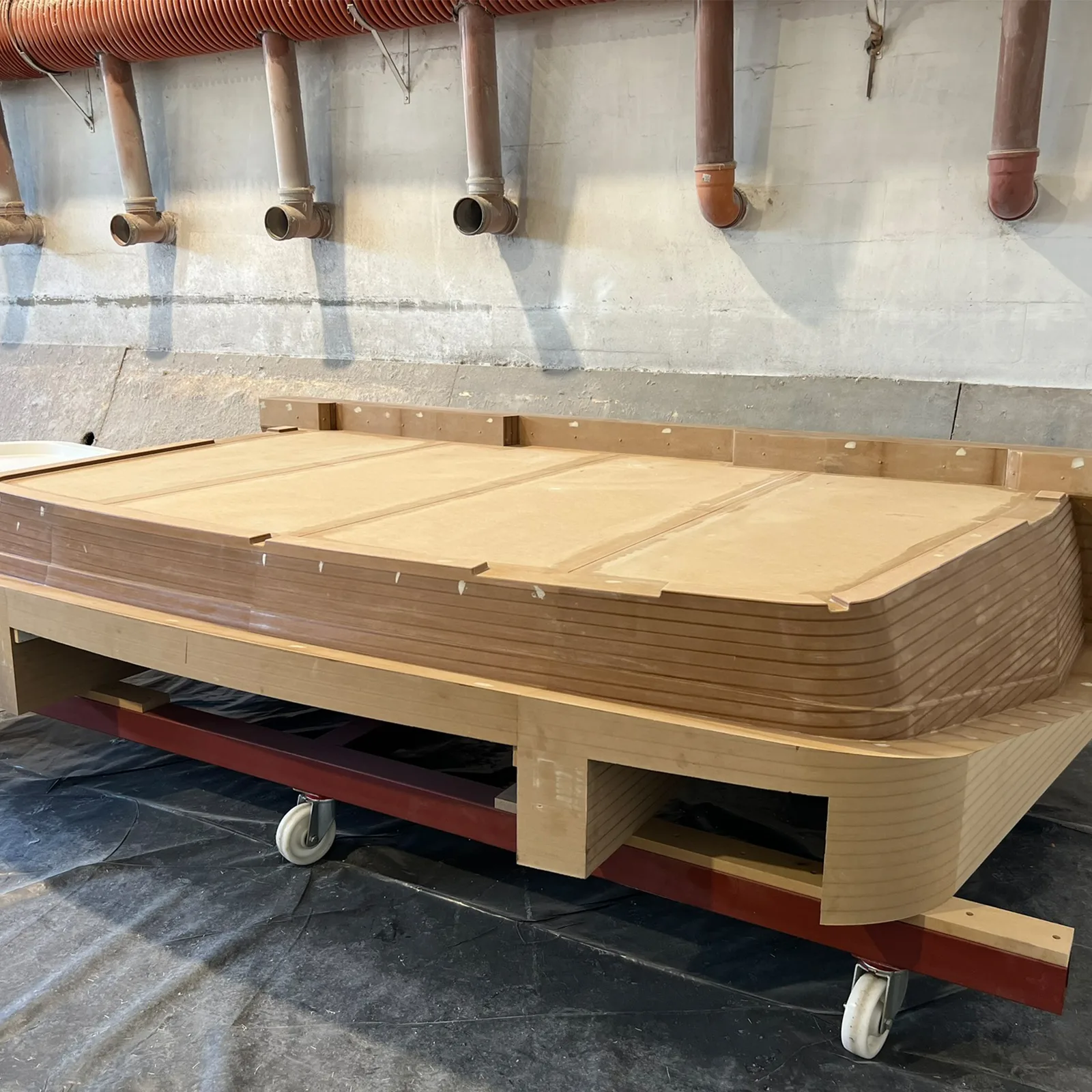
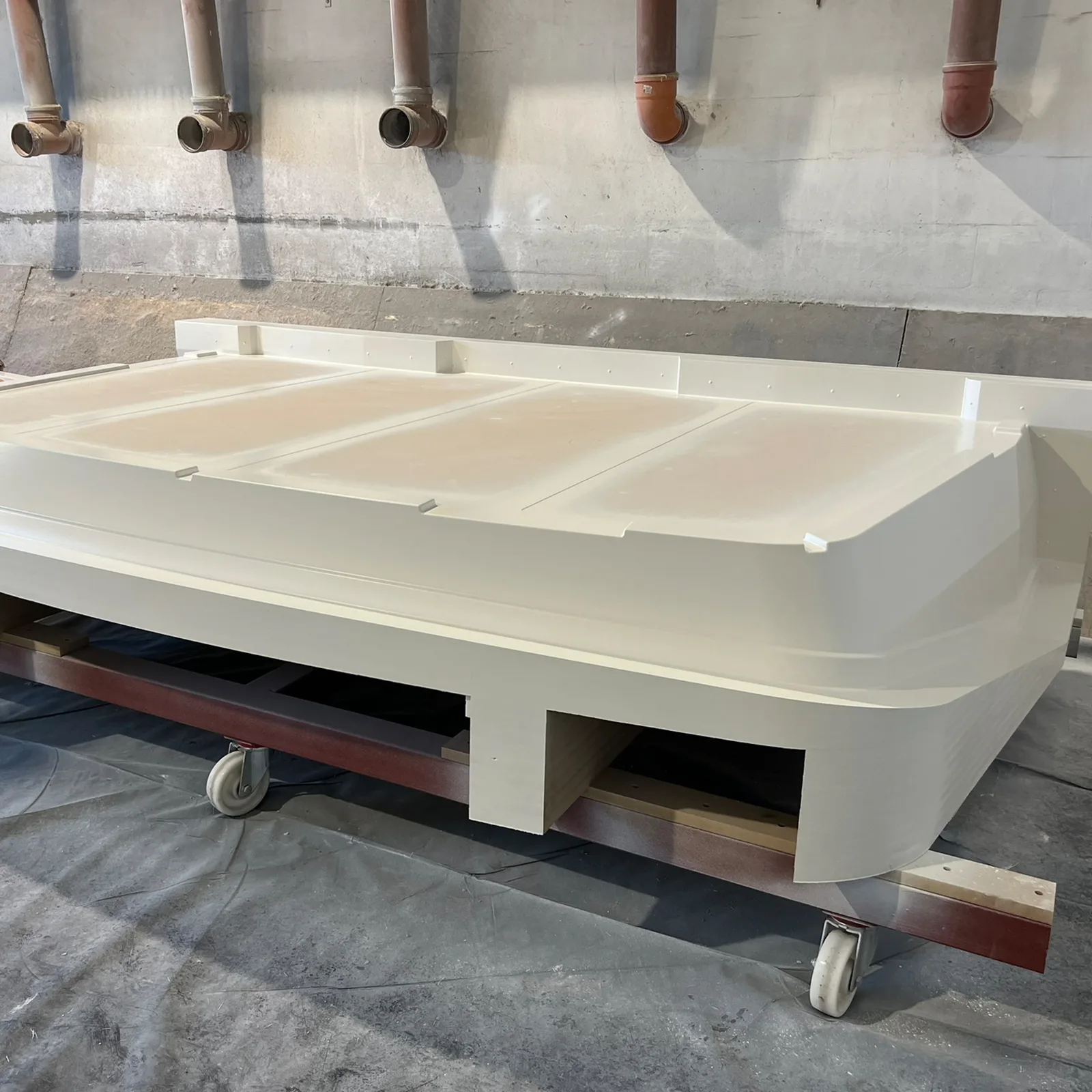
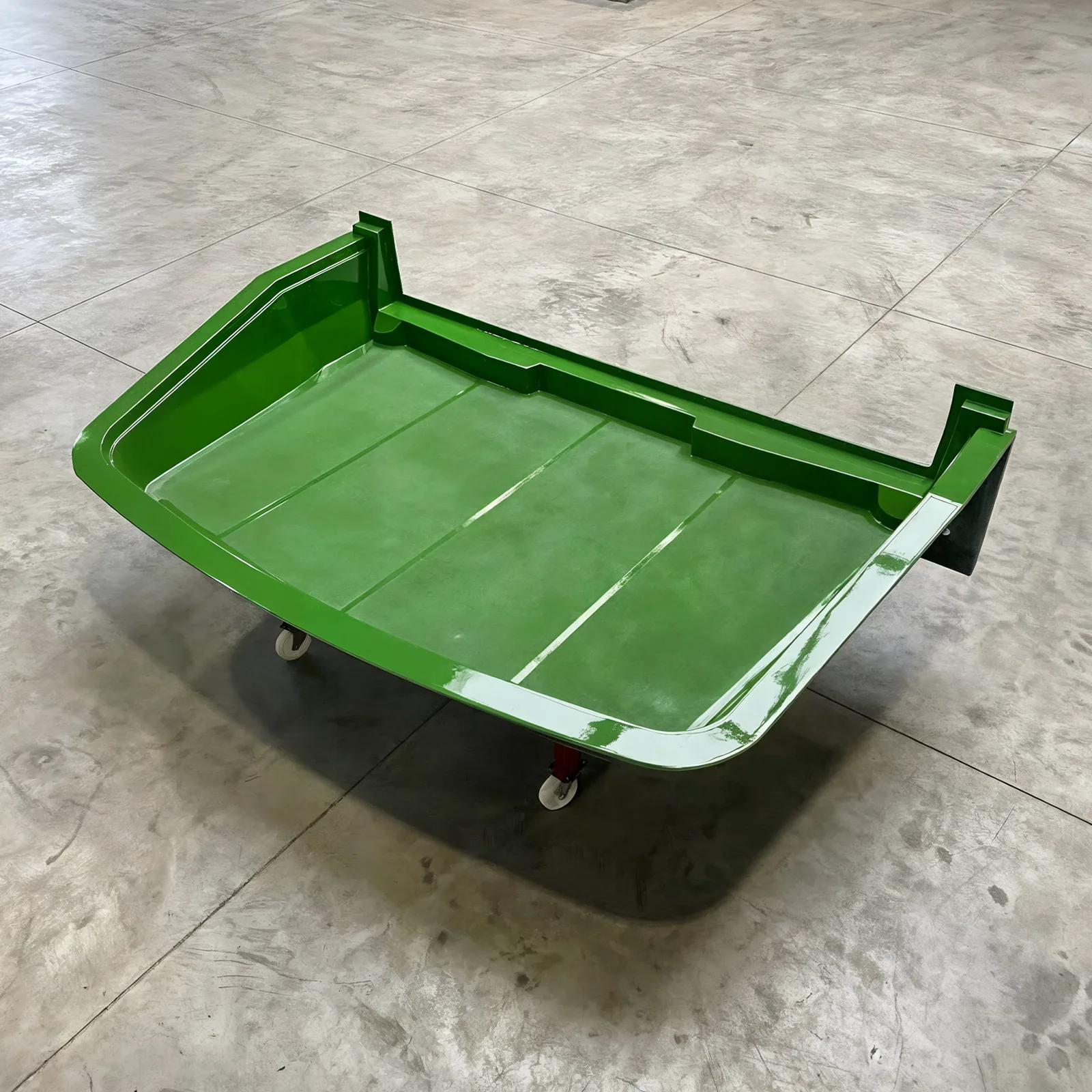
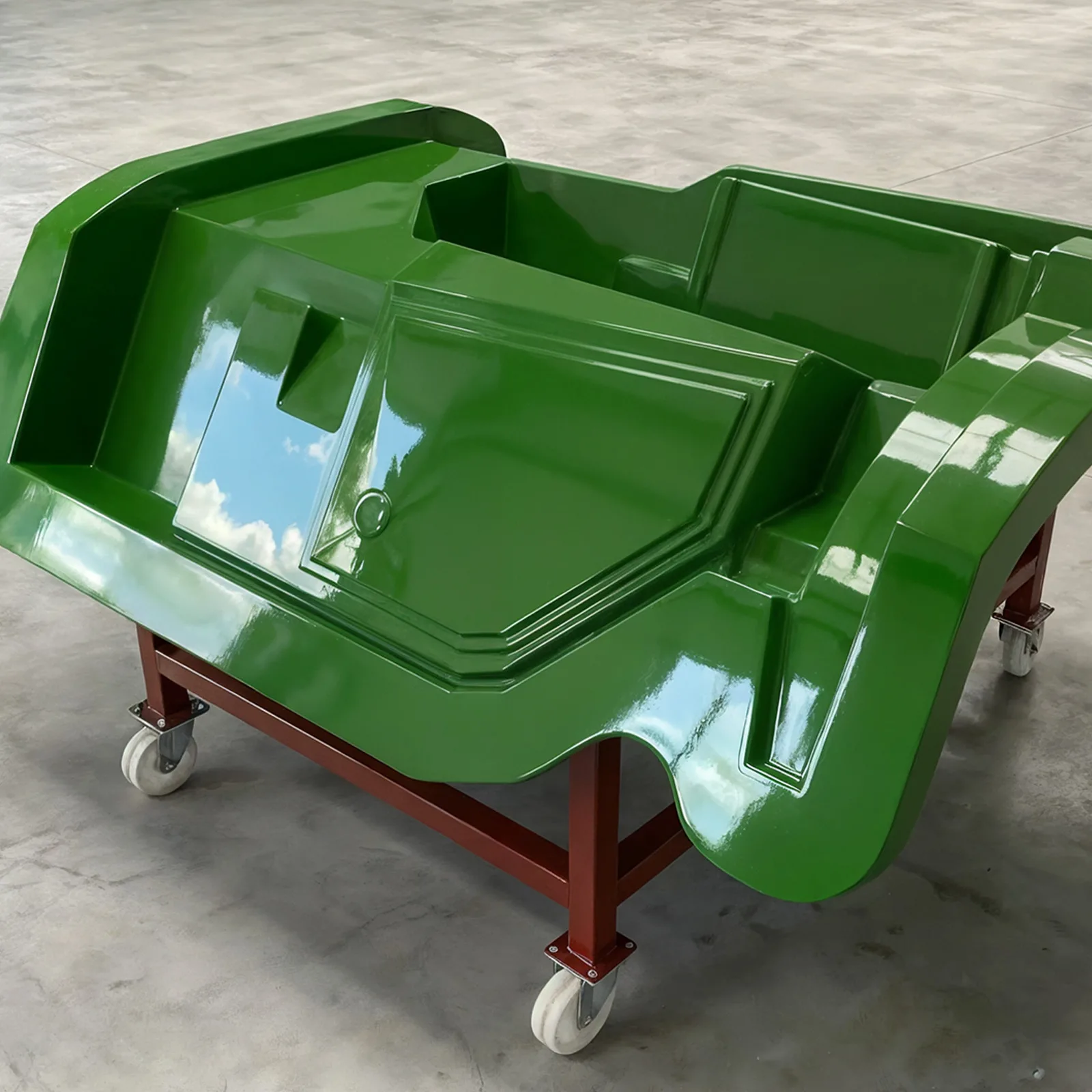
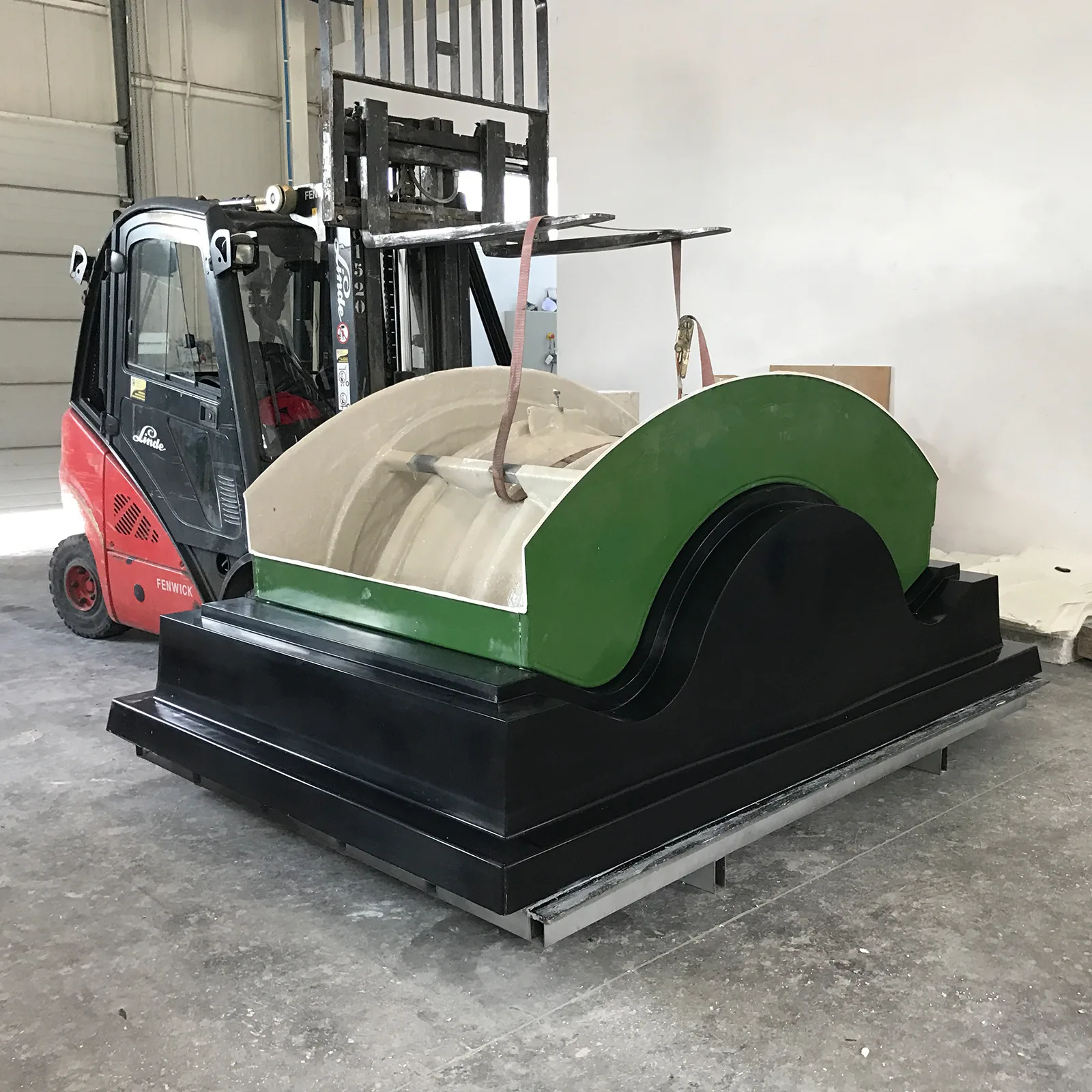
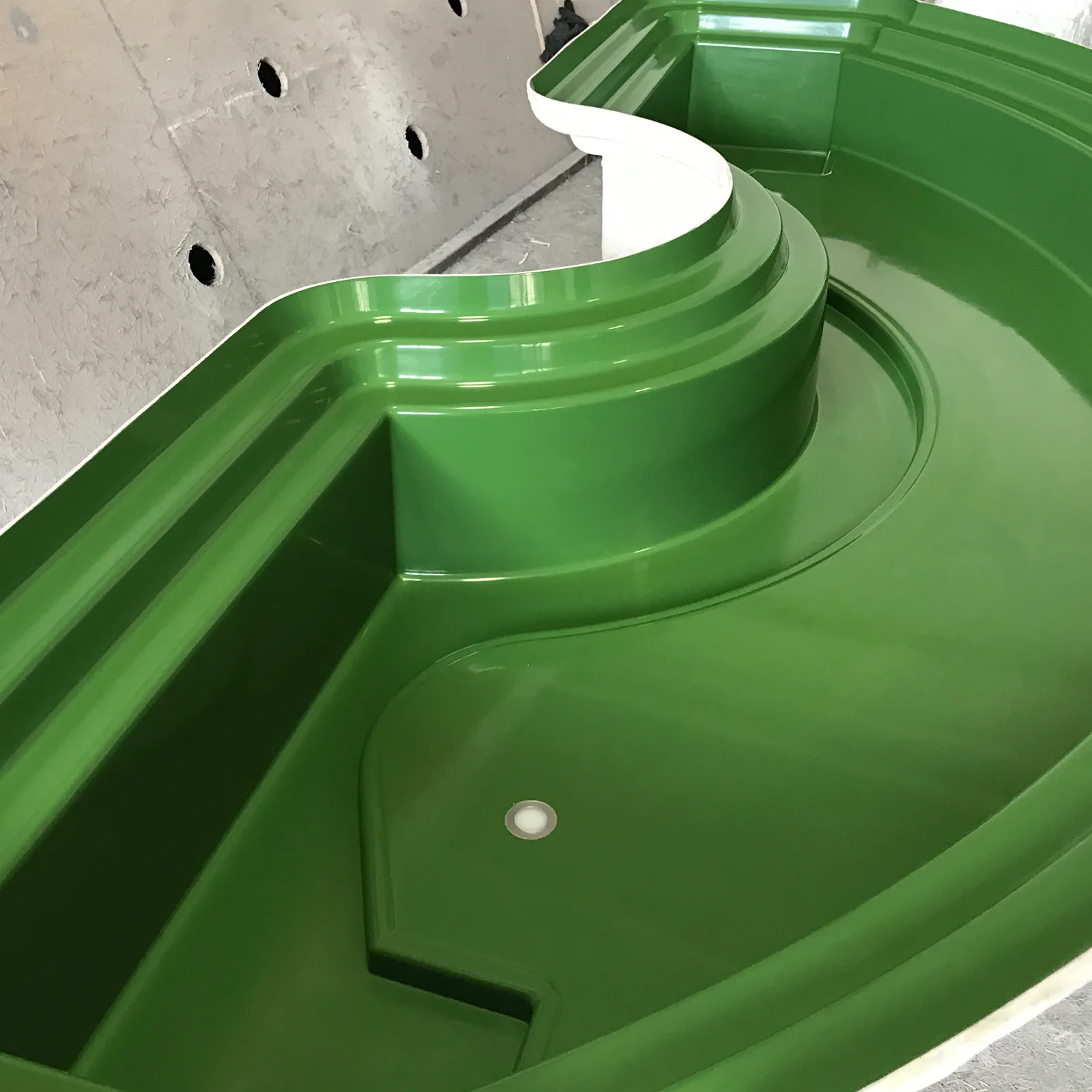
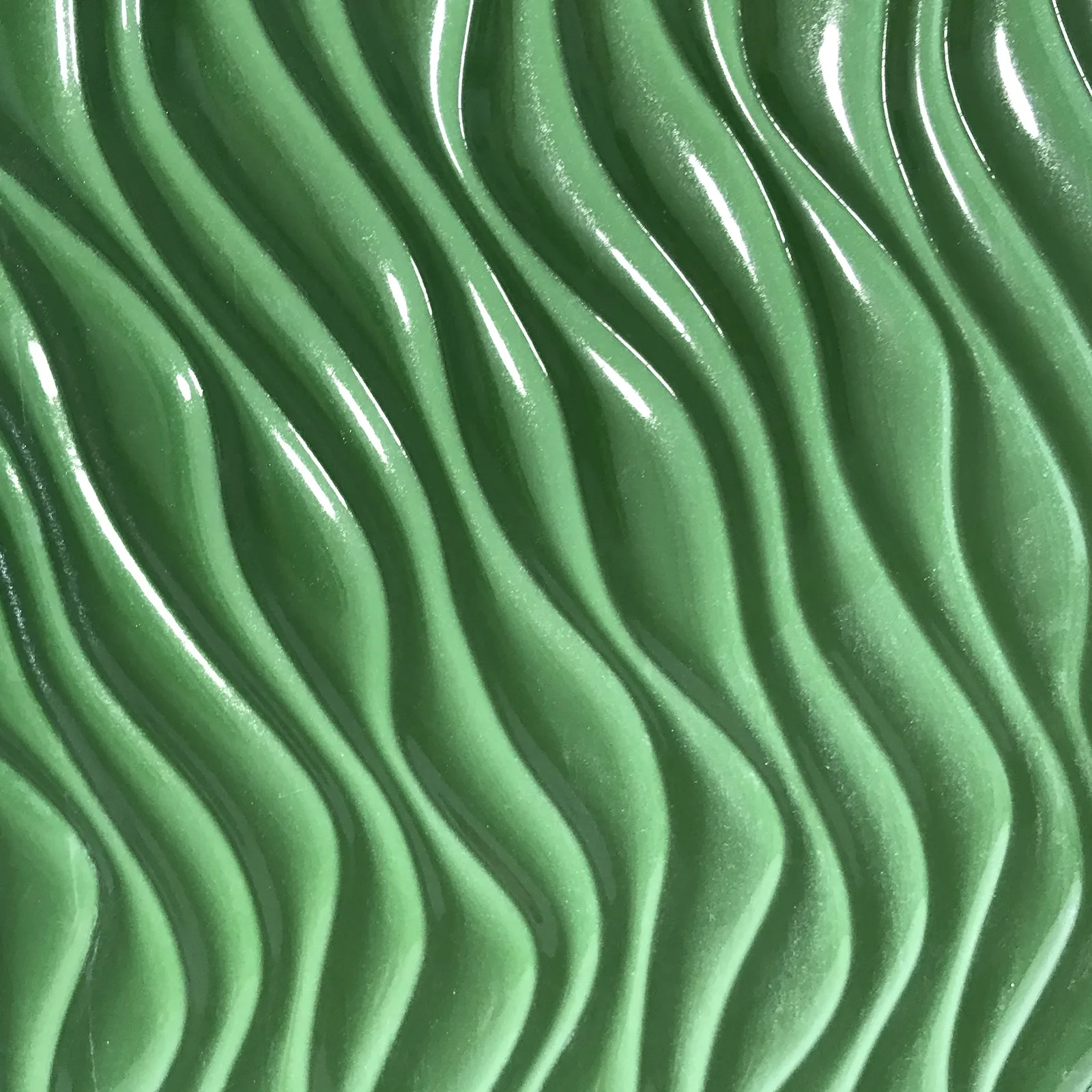
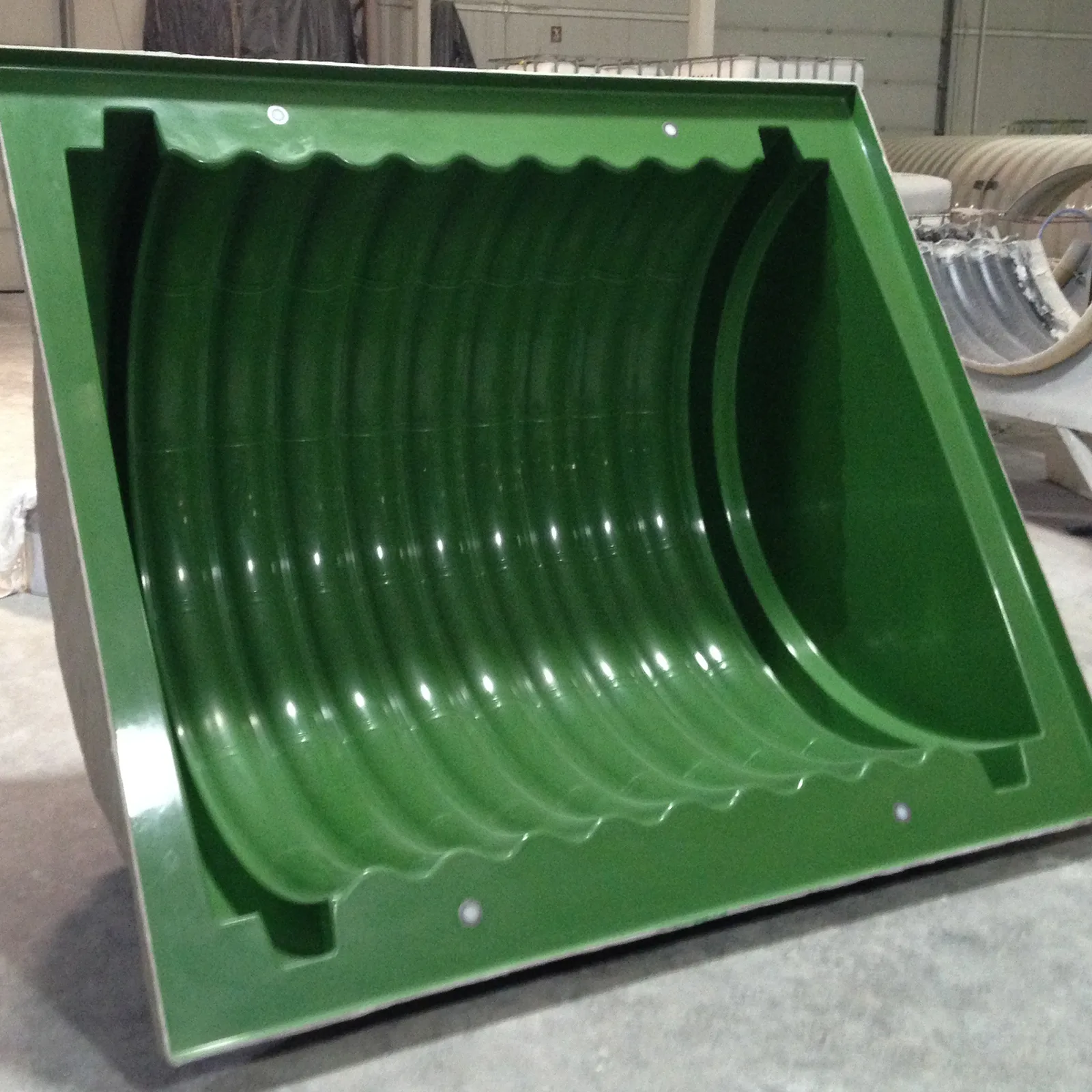
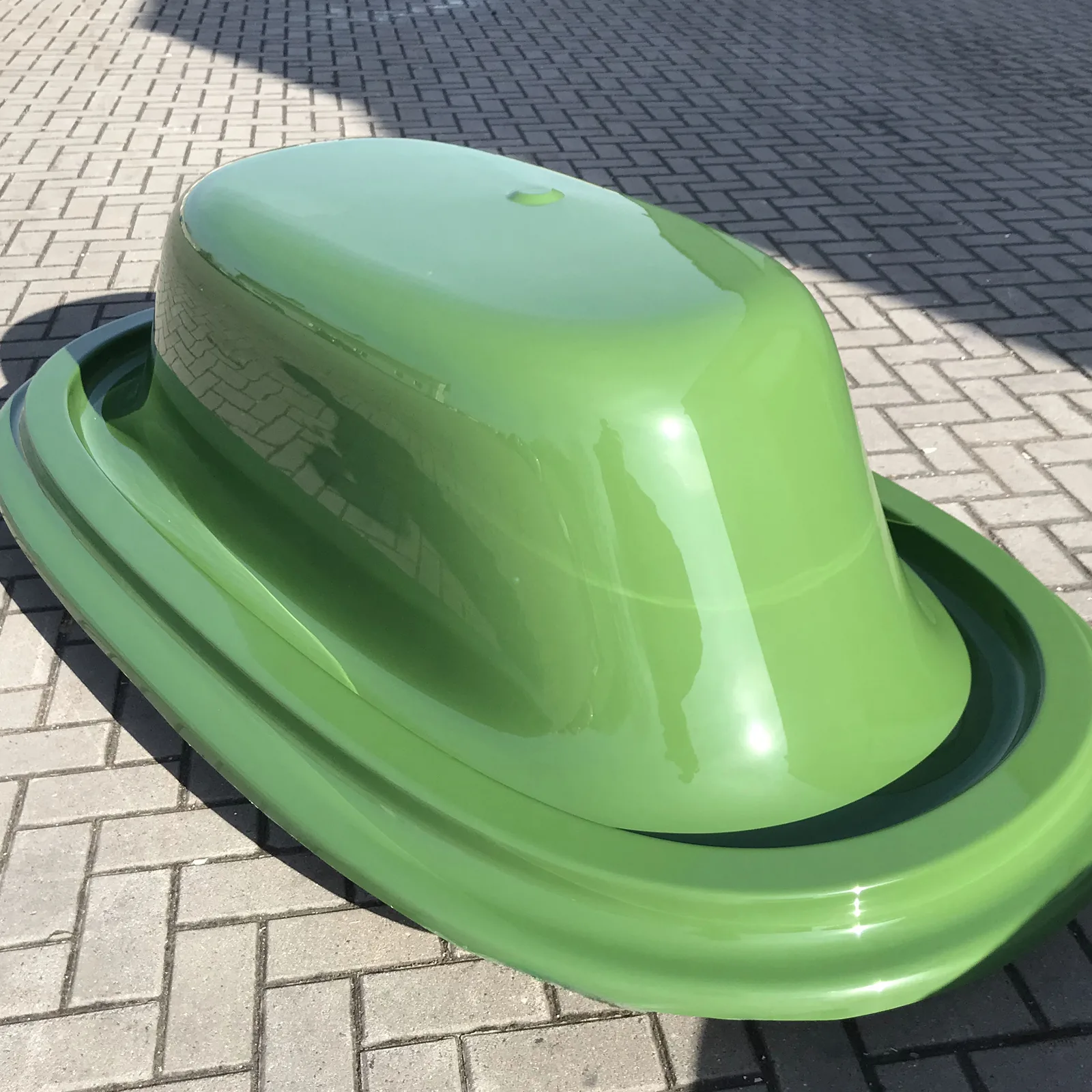
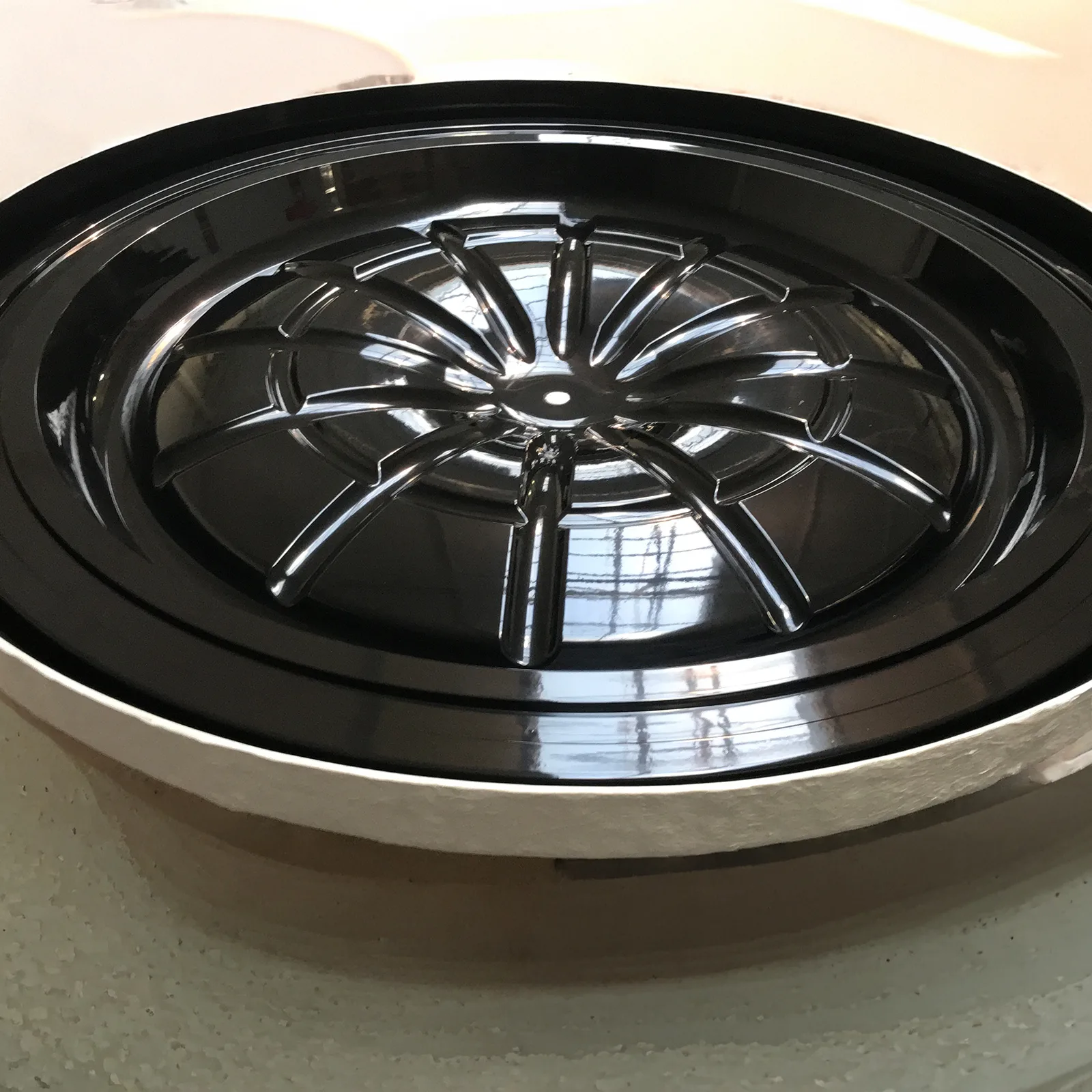
Plugs and masters prepared for real mould‑making workflows — with surfaces that finish well and geometry that stays predictable.We produce models (plugs/masters) used to manufacture GRP and composite moulds. The focus is a reliable mould outcome: controlled geometry, sensible split strategy and a surface route aligned with your lamination process.
We work for hand lay‑up, infusion and RTM workflows. Deliverables can be as‑machined or prepared for sealing/primer systems, depending on your finish plan.
- Plugs and masters aligned with your mould split strategy
- Surface intent agreed early to avoid costly rework
- Large parts planned for segmentation and stable assembly
- Option to plan paste‑on‑core tooling skins for large surfaces

What this service covers
A good plug reduces risk in the mould stage. We support the geometry, split and surface decisions that make mould making smoother and help you reach production faster.
If you have existing mould constraints or a preferred finish system, include them in the brief. We will align allowances and edges to your workflow.
Typical applications
Plugs/masters for GRP moulds
Production‑oriented plugs prepared for predictable mould lay‑up and stable release.
Large tooling surfaces with paste‑on‑core skins
Large cores surfaced with hard, machineable skins after cure for stable cosmetic zones.
Segmented plugs for transport and assembly
Oversized geometry delivered in practical sections that assemble cleanly.
Trim, drill and assembly reference features
Practical references that support trimming, drilling and repeatable downstream work.
Key decisions
Composite tooling succeeds when geometry and surface intent are clear. We agree what matters most: cosmetic zones, split strategy, edges and interfaces.
For larger projects, we plan segmentation and joins so the plug can be handled, transported and finished with confidence.
- Split strategy that matches mould logic and handling
- Surface plan aligned with your sealing/primer system
- Allowance and edges defined for finishing and mould build
- Assembly logic for large parts: keys, joins and labelling
Materials commonly used
Material choice depends on size, stability needs and your surface route. We will recommend options once the process is clear.
- Tooling board for stable, higher‑detail plugs and masters
- Paste‑on‑core systems for large surfaces requiring hard skins
- MDF for selected models and supporting tooling elements
What you receive
- CNC‑machined plug/master ready for finishing or mould work
- Defined split and assembly logic when segmented
- Practical references for trimming and downstream steps
- Packaging aligned with surface sensitivity
When this is the right fit
- You are building composite moulds and need a reliable plug/master
- Surface quality and dimensional stability are important
- The part is large and needs segmentation for handling
- You want a plug that supports production, not just a one‑off
What is out of scope
- Unclear mould strategy or undefined surface acceptance level
- Ferrous metal machining
- Open‑ended finishing without agreed hand‑off
Workflow
- Share CAD and basic mould context (process and target finish)
- We confirm split strategy, material route and deliverable state
- Machining and, if needed, segmentation and assembly preparation
- Delivery ready for your finishing and mould‑making stage
Related pages
Related pages that may help you plan your composite tooling project.
Get a quote for a plug or master
Send your 3D files and a short note about the mould workflow (hand lay‑up, infusion, RTM) and the surface expectation. We will confirm the material route, split strategy and lead time.If you are unsure what is needed at this stage, describe the part and your production goal. We will advise what is sufficient for a reliable quotation.
Request a quote